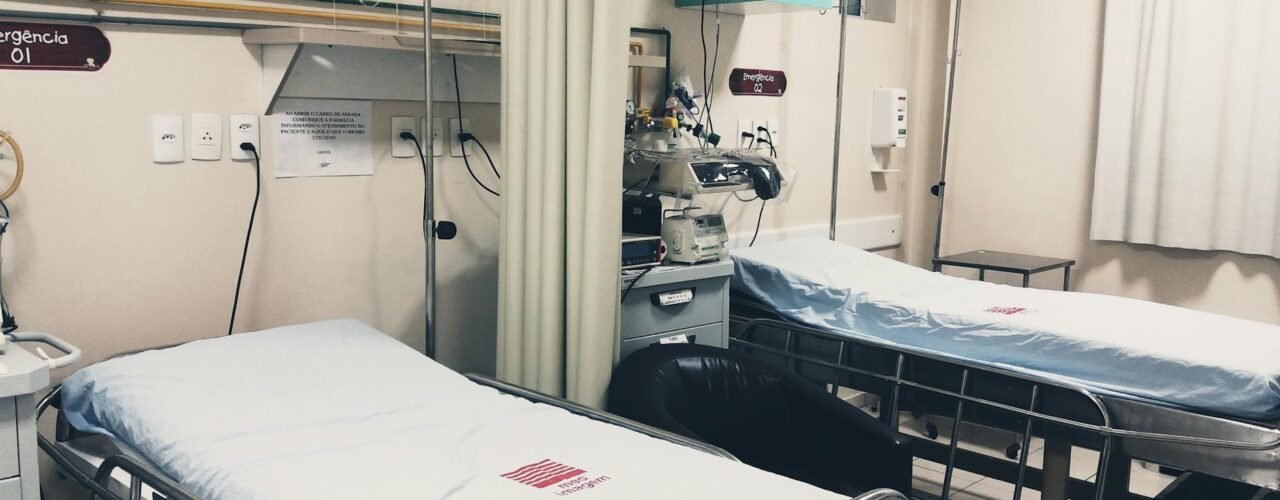
24 Hour Emergency Room Services: When & Where to Go
When a medical crisis strikes unexpectedly, knowing where to find healthcare 24 hour emergency services nearby can literally save your life.
When a medical crisis strikes at midnight or during a holiday weekend, knowing where to find reliable 24 hour emergency room services can be lifesaving. Emergency departments across the United States operate around the clock to provide immediate care for life-threatening conditions, severe injuries, and medical emergencies that can’t wait for a scheduled appointment. Understanding when to seek emergency care, what services are available 24/7, and how to navigate the emergency care system empowers you to make informed decisions during critical moments. This comprehensive guide covers everything you need to know about accessing emergency medical care any time, day or night.
What Are 24 Hour Emergency Room Services?
24 hour emergency room services are medical facilities staffed with board-certified emergency physicians, nurses, and support staff who provide immediate evaluation and treatment for urgent and life-threatening conditions at any time. These departments operate continuously without closing, equipped with advanced diagnostic technology and the capability to stabilize critical patients requiring specialized intervention or hospital admission.
Emergency departments (EDs) serve as the safety net of the American healthcare system, treating approximately 145.6 million patient visits annually according to 2026 data from the Centers for Disease Control and Prevention. These facilities must meet rigorous standards set by the Emergency Medical Treatment and Labor Act (EMTALA), which requires all Medicare-participating hospitals to provide screening and stabilization regardless of insurance status or ability to pay.
Core capabilities available at 24 hour emergency room services include:
- Immediate triage and assessment by experienced emergency nurses using the Emergency Severity Index (ESI)
- Advanced imaging services including computed tomography (CT), magnetic resonance imaging (MRI), X-ray, and ultrasound
- Laboratory testing with rapid results for blood work, toxicology screens, and diagnostic studies
- Resuscitation capabilities for cardiac arrest, respiratory failure, and other life-threatening emergencies
- Surgical consultation and access to operating rooms for emergent procedures
- Specialty consultations from cardiologists, neurologists, orthopedic surgeons, and other medical specialists
- Inpatient admission coordination for patients requiring ongoing hospital care
The landscape of emergency care has evolved significantly, with two primary types of facilities offering 24/7 emergency services. Traditional hospital-based emergency rooms are integrated within acute care hospitals, providing full access to inpatient beds, intensive care units, operating rooms, and specialized departments like catheterization labs and stroke centers. In our research of emergency care trends, hospital-based ERs handle the most complex cases requiring multi-specialty coordination and immediate surgical intervention.
Freestanding emergency centers (FSECs) have grown rapidly since 2015, with over 690 facilities operating nationwide as of 2026. These standalone facilities operate independently from hospitals but maintain emergency department licensure and staffing standards. FSECs typically offer shorter wait times and more convenient locations, particularly in suburban areas underserved by hospital emergency departments.
When to Use 24 Hour Emergency Room Services vs Urgent Care
The decision between seeking ER vs urgent care significantly impacts both your health outcomes and healthcare costs. Emergency departments should be reserved for conditions that are life-threatening or could result in permanent disability without immediate intervention, while urgent care centers effectively handle acute but non-emergency medical needs.
According to 2026 research published in Health Affairs, approximately 32% of emergency department visits could be appropriately treated at urgent care facilities or primary care offices, representing $32 billion in potentially avoidable healthcare spending. Understanding which facility matches your medical need prevents unnecessary ER visits while ensuring critical conditions receive immediate attention.
Life-Threatening Conditions Requiring Immediate ER Attention
Seek 24/7 emergency medical care immediately for these critical warning signs:
- Chest pain or pressure lasting more than a few minutes, especially with radiation to arms, jaw, or back (potential myocardial infarction)
- Stroke symptoms: sudden numbness, confusion, difficulty speaking, severe headache, vision changes, or loss of balance (remember F.A.S.T.: Face drooping, Arm weakness, Speech difficulty, Time to call 911)
- Difficulty breathing or shortness of breath at rest
- Severe allergic reactions with throat swelling, hives, or anaphylaxis symptoms
- Major trauma: severe injuries from accidents, falls from height, or penetrating wounds
- Uncontrolled bleeding that doesn’t stop with direct pressure
- Sudden severe abdominal pain particularly with fever, vomiting, or rigid abdomen
- Altered mental status: confusion, disorientation, loss of consciousness, or unresponsiveness
- Severe burns covering large body areas or involving face, hands, feet, or genitals
- Poisoning or drug overdose
- Suicidal or homicidal thoughts requiring immediate psychiatric evaluation
- Seizures lasting more than 5 minutes or occurring in someone without epilepsy
- Pregnancy complications including severe bleeding, severe abdominal pain, or lack of fetal movement
Conditions Appropriate for Urgent Care
Urgent care centers effectively treat these acute conditions during extended hours:
- Minor fractures and sprains requiring X-rays
- Lacerations needing stitches (without major bleeding)
- Upper respiratory infections, flu, strep throat
- Urinary tract infections
- Minor burns and skin infections
- Mild to moderate asthma exacerbations (if stable)
- Eye irritation or minor eye injuries
- Mild allergic reactions without breathing difficulty
- Dehydration requiring IV fluids but stable vital signs
| Factor | Emergency Room | Urgent Care |
|---|---|---|
| Hours | 24/7/365 | Typically 8am-8pm daily |
| Wait Time (2026 avg) | 127 minutes (non-critical) | 28 minutes |
| Average Cost | $1,389-$3,168 | $150-$350 |
| Conditions Treated | Life-threatening emergencies | Acute but non-emergency care |
| Staffing | Board-certified emergency physicians | Physicians, PAs, NPs |
| Imaging Capabilities | CT, MRI, X-ray, ultrasound | Typically X-ray only |
| Hospital Admission | Can admit directly | Must transfer to hospital |
When in doubt about whether your condition requires emergency care, err on the side of caution and visit the ER or call 911. A 2026 study in the Journal of Emergency Medicine found that patient self-assessment correctly identifies true emergencies only 68% of the time, highlighting the importance of seeking professional medical evaluation for concerning symptoms.
Types of Medical Emergencies Treated 24/7
Emergency departments provide specialized care for diverse medical conditions requiring immediate intervention. Understanding the range of emergencies treated helps patients recognize when urgent care is necessary and what capabilities to expect from emergency department services.
Cardiac Emergencies and Acute Coronary Syndromes
Cardiovascular emergencies represent time-critical situations where minutes determine outcomes. Modern emergency departments operate as the front door to cardiac catheterization laboratories, with door-to-balloon times (from ER arrival to artery opening) averaging 64 minutes in 2026 accredited chest pain centers. Conditions treated include acute myocardial infarction (heart attack), unstable angina, cardiac arrhythmias including atrial fibrillation with rapid ventricular response, heart failure exacerbations, hypertensive emergencies, and aortic dissection or aneurysm rupture.
Stroke and Neurological Emergencies
Stroke centers certified by The Joint Commission provide 24/7 access to neuroimaging, thrombolytic therapy (tPA administration within 4.5 hours of symptom onset), and mechanical thrombectomy for large vessel occlusions. In our analysis of stroke outcomes data, patients arriving within the critical window receive tissue-preserving interventions that reduce disability by up to 63%. Emergency neurological care also addresses seizures and status epilepticus, severe headaches suggesting subarachnoid hemorrhage, meningitis and encephalitis, and acute spinal cord injuries.
Trauma and Severe Injuries
Level I and Level II trauma centers maintain immediate surgical readiness with trauma surgeons, orthopedic specialists, and neurosurgeons available 24/7. These facilities treat motor vehicle accidents, gunshot wounds and penetrating trauma, severe burns requiring specialized burn unit transfer, crush injuries and amputations, significant head injuries with altered consciousness, and multiple trauma requiring coordinated multi-specialty care. The American College of Surgeons verifies 224 Level I trauma centers nationwide as of 2026, ensuring comprehensive trauma care availability.
Respiratory Emergencies and Acute Respiratory Distress
Emergency departments manage life-threatening breathing difficulties including severe asthma exacerbations requiring nebulizer treatments and possible intubation, chronic obstructive pulmonary disease (COPD) flare-ups, pneumonia with respiratory compromise, pulmonary embolism (blood clots in lungs), pneumothorax (collapsed lung), and acute respiratory distress syndrome (ARDS). Advanced respiratory support equipment including mechanical ventilators and bilevel positive airway pressure (BiPAP) machines remain immediately available.
Severe Allergic Reactions and Anaphylaxis
Anaphylactic reactions demand immediate epinephrine administration and airway management. ERs stock multiple epinephrine formulations, antihistamines, corticosteroids, and maintain intubation equipment for airway swelling. Food allergies affecting 8.2% of children and 11.1% of adults according to 2026 immunology data make anaphylaxis preparedness essential. Related emergencies include drug reactions and serum sickness, insect sting anaphylaxis, and angioedema with airway involvement.
Pediatric Emergencies
Children present unique emergency conditions requiring specialized assessment and treatment protocols. Pediatric emergency specialists or emergency physicians with pediatric training manage high fevers in infants under 3 months, febrile seizures, respiratory distress including croup and bronchiolitis, dehydration from vomiting or diarrhea, accidental poisonings and ingestions, and appendicitis and other acute abdominal conditions. Dedicated pediatric emergency departments operate in 73 children’s hospitals nationwide, while general ERs maintain pediatric equipment and medication dosing protocols.
Mental Health and Psychiatric Emergencies
Emergency departments increasingly serve as mental health crisis intervention centers, with psychiatric emergencies accounting for 12.5% of all ER visits in 2026. Services include suicide risk assessment and prevention, acute psychosis requiring medication and stabilization, severe depression with self-harm risk, violent behavior requiring crisis intervention, and substance withdrawal including alcohol and benzodiazepine withdrawal requiring medical monitoring. Emergency psychiatry consultation and coordination with inpatient psychiatric facilities ensure appropriate ongoing care.
Hospital-Based ERs vs Freestanding Emergency Centers
The proliferation of freestanding emergency centers has created options for patients seeking emergency care, but significant differences exist between these facilities and traditional hospital-based emergency rooms. Understanding these distinctions helps patients choose the appropriate facility for their medical needs.
Facility Capabilities and Resource Availability
Hospital-based emergency departments benefit from integration within comprehensive medical centers, providing immediate access to operating rooms, intensive care units, cardiac catheterization laboratories, advanced imaging including MRI capabilities, specialty consultations from hospitalists and specialists, and direct admission to inpatient beds without transfer delays. This integration proves critical for conditions requiring immediate surgical intervention or specialized inpatient care.
Freestanding emergency centers operate as standalone facilities with emergency department licensure but without attached hospitals. They maintain advanced diagnostic capabilities including CT scanning and laboratory services, board-certified emergency physicians and registered nurses, and the ability to stabilize and transfer patients requiring hospitalization. However, patients needing surgery, intensive care, or specialty procedures beyond emergency stabilization require ambulance transfer to hospital facilities, potentially delaying definitive treatment.
Staffing and Physician Credentials
Both facility types must meet state emergency department licensing requirements mandating board-certified or board-eligible emergency physicians. Hospital-based ERs typically staff larger physician teams with immediate backup coverage and 24/7 access to hospitalists, surgeons, and medical specialists. Freestanding centers employ emergency-trained physicians but may have longer wait times for specialty consultation requiring telemedicine or transfer arrangements.
Geographic Distribution and Accessibility
Freestanding emergency centers strategically locate in suburban areas, often reducing drive time for patients living far from hospitals. Texas leads with 287 FSECs, followed by Colorado with 64 facilities, according to 2026 industry data. These locations address emergency care deserts where hospital emergency departments remain more than 30 minutes away, improving access for suburban and rural communities. However, urban areas with multiple hospital options may find hospital-based ERs more convenient.
| Feature | Hospital-Based ER | Freestanding Emergency Center |
|---|---|---|
| Immediate Surgery Access | Yes, on-site operating rooms | No, requires transfer |
| ICU Capabilities | Direct admission available | Transfer required for ICU |
| Imaging Services | CT, MRI, X-ray, ultrasound | CT, X-ray, ultrasound (MRI rare) |
| Specialty Consultations | On-site specialists 24/7 | Telemedicine or transfer |
| Average Cost (2026) | $2,168 (moderate case) | $1,847 (moderate case) |
| Wait Time (2026 avg) | 127 minutes | 43 minutes |
| Trauma Capabilities | Designated trauma centers | Stabilization only |
| Inpatient Admission | Direct admission | Transfer to hospital required |
Insurance Coverage and Cost Considerations
Both hospital-based and freestanding emergency centers bill at emergency department rates, significantly higher than urgent care. Insurance companies treat both facility types equally under emergency services provisions, applying the same copayments, coinsurance, and deductibles. However, some freestanding centers operate as out-of-network providers, potentially creating higher patient responsibility despite federal No Surprises Act protections implemented in 2022 and strengthened in 2026.
A critical cost consideration: freestanding centers that transfer patients to hospitals for admission effectively generate two facility bills—one for the initial FSEC evaluation and a second for hospital care. Patients with conditions likely requiring admission may reduce costs by proceeding directly to hospital-based emergency departments.
When to Choose Hospital-Based ERs Over Freestanding Centers
Select hospital-based emergency departments for chest pain suggesting heart attack (requiring catheterization lab access), stroke symptoms (needing comprehensive stroke center capabilities), major trauma or severe injuries, pregnancy complications requiring obstetric specialists, conditions potentially requiring emergency surgery, pediatric emergencies in children under 2 years, and mental health crises requiring psychiatric admission. Choose freestanding emergency centers for moderate emergencies unlikely to require admission, situations where location provides significantly faster access, and cases requiring emergency evaluation but lower acuity.
What to Expect: ER Wait Times and Triage Process
Understanding ER wait times and the triage system helps set realistic expectations during stressful emergency situations. Wait times vary dramatically based on severity, time of day, and facility capacity, but the process follows standardized protocols designed to prioritize the sickest patients.
National ER Wait Time Benchmarks (2026)
According to data from the Centers for Medicare & Medicaid Services Hospital Compare database, average emergency department wait times in 2026 are:
- Average time to see a provider: 127 minutes (2 hours, 7 minutes) for non-critical cases
- Critical patients (ESI Level 1-2): Immediate to 14 minutes
- Moderate urgency (ESI Level 3): 64-98 minutes
- Lower urgency (ESI Level 4-5): 135-214 minutes
- Total ER visit duration (arrival to discharge): 4.7 hours average
Peak ER volume occurs Monday mornings and between 6 PM and midnight on weekends. Seasonal variations show increased wait times during flu season (December-February) and summer trauma season. Many hospitals now publish real-time emergency room near me wait times on websites and mobile apps, helping patients select less crowded facilities when clinically appropriate.
The Emergency Severity Index (ESI) Triage System
Registered nurses perform triage assessment within minutes of arrival using the five-level Emergency Severity Index, the standard adopted by 89% of U.S. emergency departments. This evidence-based system determines treatment priority based on acuity and resource needs:
- ESI Level 1 (Resuscitation): Life-threatening conditions requiring immediate physician evaluation—cardiac arrest, severe trauma, unresponsive patients, active seizures
- ESI Level 2 (Emergent): High-risk situations or severe distress—chest pain, stroke symptoms, severe breathing difficulty, altered mental status
- ESI Level 3 (Urgent): Moderate acuity requiring multiple resources—abdominal pain needing imaging, head injuries, severe lacerations requiring sutures
- ESI Level 4 (Less Urgent): Conditions needing one resource—simple fractures, minor lacerations, urinary symptoms
- ESI Level 5 (Non-urgent): Conditions requiring no resources beyond physical exam—prescription refills, chronic condition management, minor injuries
The ESI system explains why patients arriving after you may receive treatment first. A person with chest pain (ESI-2) will always be prioritized over someone with ankle pain (ESI-4), regardless of arrival sequence. This clinically-based prioritization saves lives by ensuring the sickest patients receive immediate attention.
Step-by-Step Emergency Room Visit Process
- Registration (0-10 minutes): Administrative staff collect insurance information, contact details, and chief complaint while triage nurse performs initial assessment
- Triage Assessment (5-15 minutes): Nurse evaluates vital signs, symptoms, medical history, and assigns ESI acuity level
- Waiting Room (variable): Lower-acuity patients wait for available treatment rooms; critical patients proceed immediately
- Treatment Room Assignment: Patient moves to examination room for comprehensive evaluation
- Physician Evaluation (15-45 minutes): Emergency physician performs history, physical examination, and orders diagnostic tests
- Diagnostic Testing (30-120 minutes): Laboratory work, imaging studies, specialist consultations as needed
- Treatment and Management (variable): Medication administration, procedures, observation period
- Disposition Decision: Discharge home with instructions, admission to hospital, or transfer to specialty facility
- Discharge Process (20-60 minutes): Discharge instructions, prescriptions, follow-up arrangements
How to Check Real-Time ER Wait Times
Most hospital systems now provide digital wait time tools accessible via websites, mobile apps like ER Wait Watcher and InQuicker, Google Search results for “[hospital name] ER wait time”, and hospital emergency department direct phone lines. These estimates reflect current wait times for non-critical patients and update every 15-30 minutes. Remember that wait time tools cannot predict how long YOUR visit will take, as individual care complexity varies significantly.
What to Bring to the Emergency Room
Prepare for ER visits by bringing:
- Insurance cards (primary and secondary coverage)
- Photo identification (driver’s license or state ID)
- Current medication list with dosages
- Recent medical records if available
- List of allergies and previous reactions
- Contact information for primary care physician and specialists
- Medical devices (inhalers, glucose meters, continuous glucose monitors)
- Phone charger for extended waits
For pediatric visits, additionally bring immunization records, preferred comfort items (blanket, stuffed animal), and snacks if condition allows.
Services and Capabilities Available 24/7
Modern emergency departments function as comprehensive diagnostic and treatment centers equipped with advanced medical technology and immediate access to specialty services. Understanding available capabilities helps patients recognize the full scope of emergency care resources,